SYAMA Yin Yoga Teacher Training
Resources to compliment workshop conversations, personal explorations, and printed materials.
Out beyond ideas of wrongdoing and rightdoing, There is a field. I'll meet you there - Rumi
“‘Goddess’, grant me the serenity to accept the things I cannot change (compression), the courage to change the things I can (tension)., and the wisdom to know the difference.” (The Serenity prayer)
1: 7 Yin Yoga video recordings of classes with Meridian and Chakra Themes for night time.
https://www.blissiplined.com/yinyoga_syama_videos

2020 Yin Yoga workshop 1/3
Introduction to Yin Yoga
------
MANTRA : Om Asatoma satgamaya
Tamasoma iyotir gamaya
Mrityorma amritam gamaya
Take us from the false to the truth
From darkness (ignorance) to light (wisdom)
From poison (misunderstanding) to nectar (illuminated understanding).
2020 Yin Yoga Workshop 2/3. Subtle Anatomy focus. Meridians.
2020 Yin Yoga & Meditation Workshop 3/3
December 2020
2021 Yin Workshop 1/4
Introduction to Yin Yoga
Lung and Large Intestine Meridians
Themes of Creating Space and Letting Go
2021 Yin Yoga workshop 2/4
Earth and Fire elemental themes.
Earth Element - Grounding and Connecting | Spleen/Pancreas (yin) & Stomach (yang)
Fire Element - Tranquility and Equanimity | the Heart and Small Intestine.
2021 Yin Yoga Workshop 3/4
Water Element - Kidney and Urinary Bladder Meridians.
Wood Element - Liver and Gallbladder Meridians.
Week 1: Focus on Physical Body : The Importance of Skeletal Variation
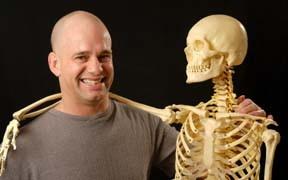
My Yin Yoga teacher, Paul Grilley, revolutionised the Yoga world with his work on skeletal variations, presenting a logical and illuminating approach to the practice of yoga asana, and why no one will ever look or feel the same when they do a pose or yin style shape. Paul received an Honorary Ph.D. in 2005 from the California Institute for Human Science for his efforts to clarify the latest theories on bones, fascia and its relevance to the practice of hatha yoga.
Yoga Anatomy, Yin Yoga, and Paul Grilley.
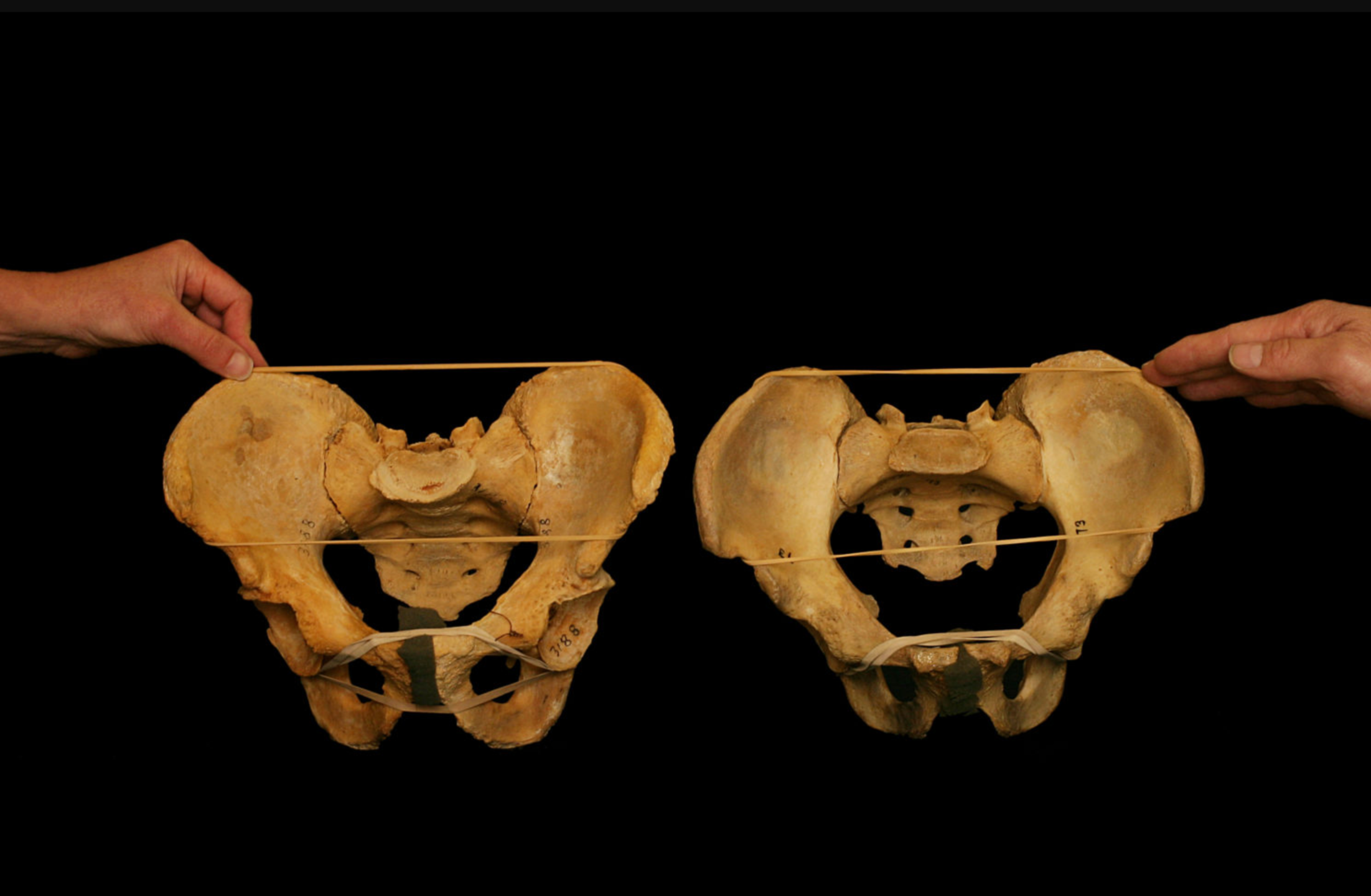
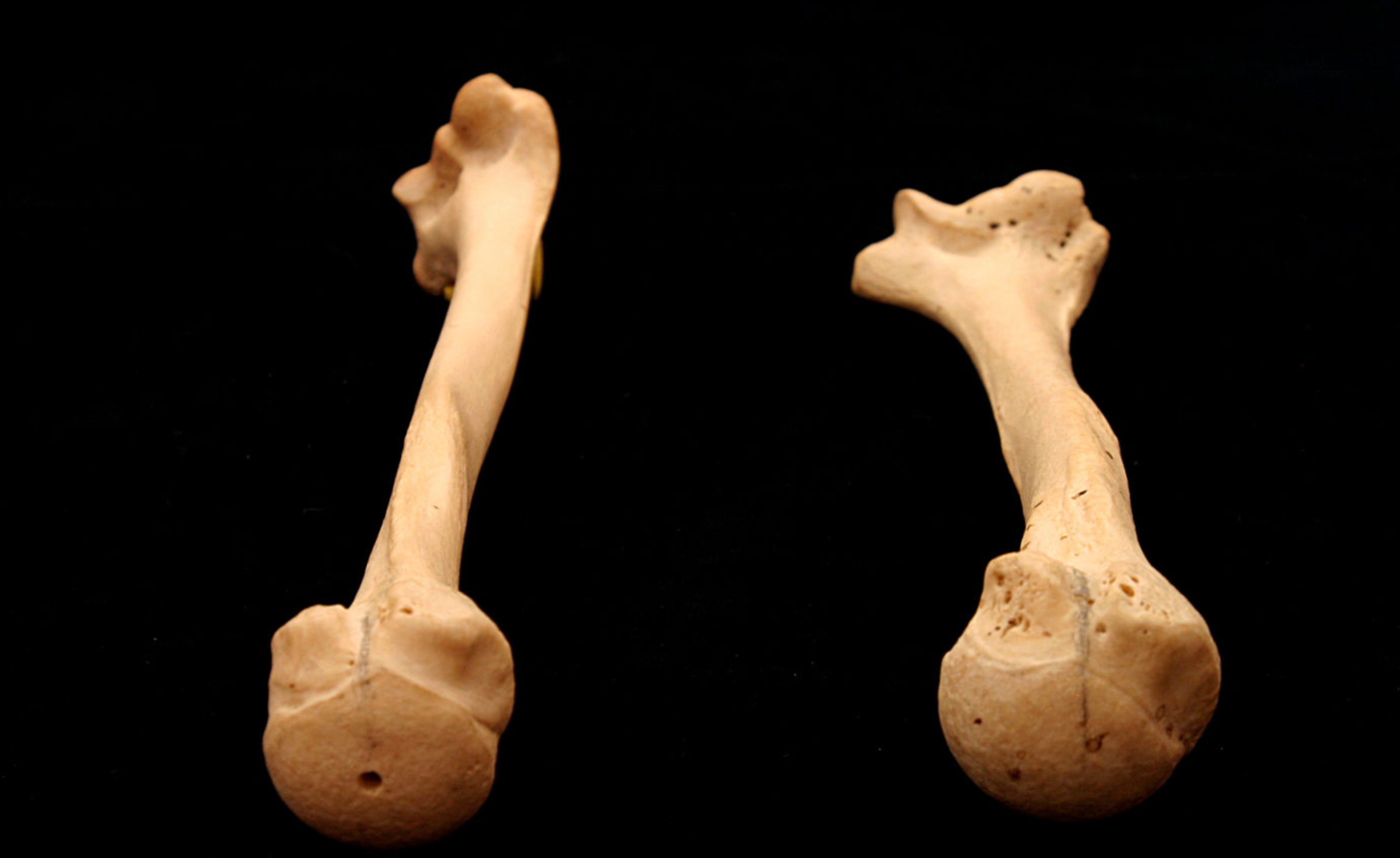
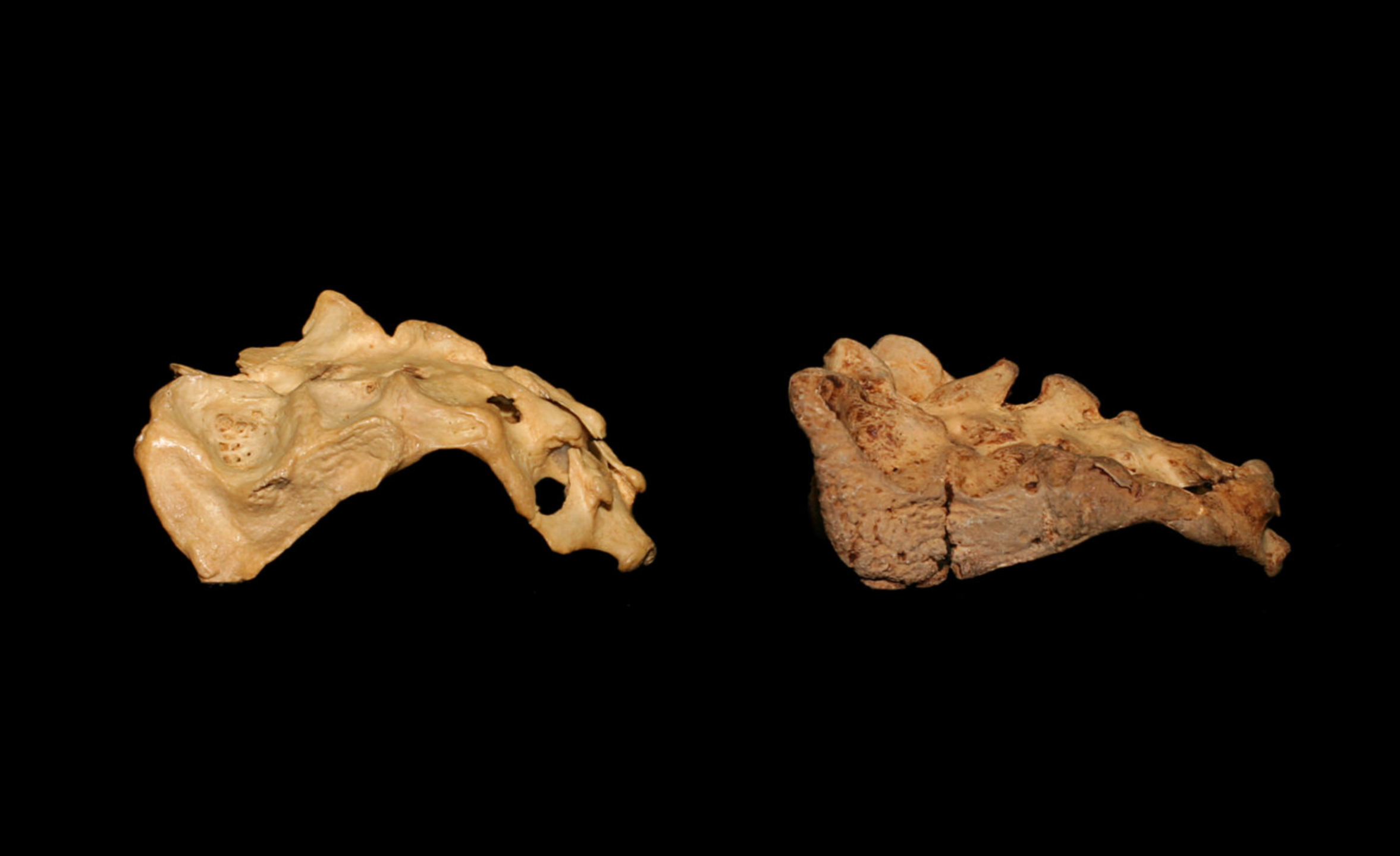
Paul is a very generous and humble yogi and gives permission to his students to show their students the following images. These photos show normal variation in human bones. None of them are pathological. They graphically display why no two people will ever do yoga poses the same way. If peoples’ bones are different, their joints will have different ranges of motion.
One of the most important things for you to know and share with your students is that - everyone will look and feel differently in each yin shape.
Flexibility can be defined as Range of Motion (ROM) around a joint or joints. In laywoman's terms, how far can you reach / bend / twist.
The 3 main things that determine one's flexibility is 1) genetic structure (the shape of your bones). 2) What you were doing before 15-20 years of age (did you do dance, martial arts ?) 3) how long and how much are you practicing a mind- body practice that allows for optimal condition of your soft tissues around the joints ?
In a Yin Yoga class or when you are teaching a Yin sequence - it's of vital importance that you educate the students about why we will not take a pose with the intention that we are going to look the same or even similar. On a physical level, we are taking a shape to stress (stimulate) yin tissues (connective tissue, fascia, joints, tendons, ligaments, lymph, blood) so they hydrate and rejuvenate for optimal functioning. We will discuss the mental, emotional, and energetic benefits of yin shapes in weeks 2 and 3 of the training.
Look below at all these different shapes of bones for the same area of the body. Is it any wonder we look different when we do a yoga pose now ?






The Science of Fascia
Fascia and stretching. The "Fuzz" Speech.
Here is a light-hearted explanation of what occurs when muscle fascia starts to bind together due to a lack of movement and stretching. WARNING - this video contains a cadaver.
Why do we have limits to our flexibility ?
1) there is TENSION - when you take a shape, you will stop moving in the direction away from movement. You will feel a resistance. How much tension you have can change over time as your soften the muscles around the area where you feel tension. As you soften muscle (yang tissue) you allow the stimulation (traction of the shape) to move into the soft tissues (yin tissues) of your body. The tension in your muscles and connective tissues is a combination of reasons ranging from physical, emotional, mental, and energetic. Let go of your tension. This may allow you to go further in your shape but if ....
2) there is COMPRESSION - when you take the shape, you are stopping in the direction of movement - no amount of stimulation will safely change this. Compression is when 2 or more body parts are in contact and will not let you move any further. It may be compression of bone on bone or it may be soft tissue between bone that is getting compressed. We all have compression at some point in the shape (it is not a negative thing) . Notice where your compression (end of ROM) is. Accept that. Let go of how you wish you looked. Focus now on softening the muscles around where you feel the tension, and observe how you FEEL. Over time your feelings (physical sensations, emotions, and energy flow) will change. You may not look different on the outside but on the inside you will feel much more flexible, and lighter in body and mind. As we observe we begin to understand the larger concept in Yoga of Impermanence (annica) - nothing stays the same (except your essence = if you believe in the existence of soul).
The 4 phases of a Yin Shape (SYAMA style - most other schools of yoga and teachers will only share the first 3 phases and forget the 4th or do not dedicate enough time to the rebound).
1: Find your edge of the shape - (as a teacher you indicate what is the target area of stimulation, what students might feel and why in general we are doing this shape) - your edge is the first place of noticeable sensation where you feel at once challenged (by either tension or compression) BUT ALSO still at ease (your breath is calm, you feel in command of your breath). If one of your overall intentions is to rejuvenate your yin tissues for more mobility, you need to be feeling a slight challenge. You need to stay alert. If your intention is to totally relax, you are best to take a Restorative shape and support your body as much as possible so you can let go and deeply relax all layers of your Koshas.
2: Become still - and breathe with awareness let go of tension, relax the muscles you are feeling and notice the feeling of compression (where and what are you feeling).
3: Linger - stay in the shape, observe your changing sensations, thoughts, and emotions (as long as there is no pain or strong burning sensations) for 2 min - 20 mins. If you feel like you have lost command of your breath (if you are holding your breath, gasping for breath) move, lean out of your edge, find a new edge, or come completely out of the shape and rest in a neutral position. {Teachers here - give your students silenceso they can focus on themselves rather than your voice. For example, if its a 3 minute linger, give them 60 seconds of silence before you guide them into the rebound phase}.
4: Savour the Rebound - Gently move out of the shape into the rebound - notice where you feel the rebound of sensations (blood moving, tissue moving, energy moving). What has changed or is changing for you ? Is there something that has stayed the same ? Now what does your body feel like doing to feel more neutral and even more at ease? (move gently, give yourself a gentle massage, or stay still). Do that slowly and gently before you move into the next shape. The rebound is often when we feel the true mind, body, soul benefits of yin yoga.
Why do we want to stress (stimulate) our connective (yin tissues).
1: Yin tissues do not respond to the yang style of stimulation. If we moved our joints and ligaments powerfully and repeatedly over and over again like we did with our muscles- they will tear.
2: Stimulating yin tissues prevents joint fixation. It rejuvenates the synovial fluid around our joints, therefore avoiding degeneration, and giving us more mobility and better sense of wellness.
2: It hydrates all our fascia. The web of like structure of the fascia changes from a gel like substance to a more watery (sol) substance. This process is called Thixotrophy. This allows of the flow of waste products to move more efficiently and decreases inflammation ! (See video below with Dr. Helen Langevin).
3: More Hydroclonic Acid is produced in the connective tissues. More and more it is believed that fascia and all connective tissues are actually where the energy channels (meridians) reside. Harmonizing the energy (chi) flow through the meridians brings greater health and peace to the body, mind, and soul.
Deeper Reasons the Yin style of Yoga is beneficial.
* Yin is a very slow and mindful style of yoga. It is training the student to pay close attention to their sensations, thoughts, emotions, and chi flow. It is training the student to breathe mindfully and optimize their ability to let go of tension, accept the physical limits of their sensations due to compression, and enjoy the process of expanding into a state of yogic bliss.
* Yin Yoga, when practiced correctly, can give each student a deeper sense of feeling at ease with their body, and can help them sit still to meditate for longer periods of time and thus explore the realms of their mind and divine connection to source.
*Yin Yoga is not always advised. Not all yin shapes will suit each student in your class. Ideally Yin is practiced after yang styles of yoga or movement to avoid joint soft tissue injury. Please review your printed notes for more on this.
*The Yin style of Yoga should be practiced in conjunction with the Yang styles of Yoga and or other forms of exercise that strengthen muscles and protect the joints.
Week 2: Subtle physical and emotional anatomy.
(organs, glands and nerves, energy (chi), nadis,meridians, chakras).
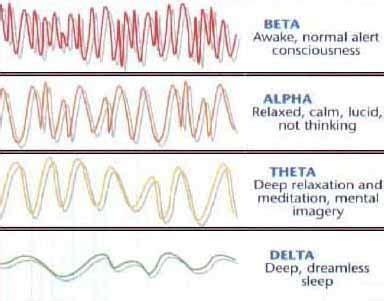
Week 3: Yin Yoga, Meditation, Mindfulness and the Brain